
BUILDING INFLATION RISES TO 4.6% DESPITE CHEAPER CEMENT, STEEL AND LABOUR
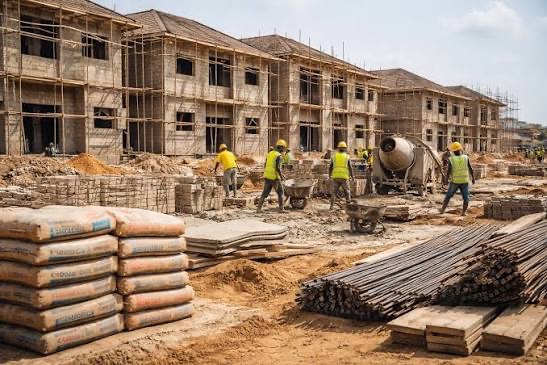
Building cost inflation in Ghana rose to 4.6% in August 2026, up from 4.0% in July, with rising plant and equipment costs and selected construction materials putting pressure on the sector.
The latest Prime Building Cost Index (PBCI) from the Ghana Statistical Service (GSS) shows that building input prices increased by 0.1% between July and August.
Despite the monthly increase, “the August rate was significantly lower than the 12.0% recorded in August 2025, pointing to a substantial moderation in construction cost pressures over the past year”.
The PBCI stood at 138.4 in August 2026, compared with 132.3 a year earlier.
Materials remained the biggest contributor to the overall increase, recording 5.8% year-on-year inflation. The category accounts for 76.5% of the PBCI basket and contributed 96.5% of the upward pressure on the headline rate.
However, the GSS identified plant and equipment as an emerging risk, with inflation in the category reaching 17.9% in August. The Service said “the increase was driven partly by higher costs for small tools and equipment, which recorded inflation of 23.4% and 10.7%, respectively”.
On the other hand, labour costs provided some relief to contractors, falling 2.9% year-on-year. Skilled labour declined by 1.8%, while unskilled labour fell by 4.6%.
The latest data also showed wide differences across construction inputs.
Plumbing recorded the highest price increase at 26.1%, followed by reinforcement at 24.2%, small tools at 23.4%, roofing sheets at 21.7% and glazing at 20.4%.
In contrast, steel prices declined by 8.9%, cement by 7.1% and fine aggregate by 5.1%.
Electrical works accounted for the largest share of the upward movement in the 4.6% headline rate, contributing 44.1%. This was followed by metalwork at 25.0%, glazing at 22.9%, plumbing at 19.5% and tiles at 13.9%.
The GSS is consequently advising businesses to base contract pricing on current market evidence and carefully manage their exposure to plant, tools and construction materials experiencing high inflation.
It also recommends flexible procurement arrangements and transparent price-adjustment clauses to help businesses manage changing input costs.
For households, the Service is encouraging builders to update their budgets using current prices, build in phases where possible and compare supplier quotations.
The GSS says the data also provides an opportunity for government to improve project delivery while closely monitoring plant and installation costs and strengthening artisan skills, procurement data and local supply chains.
The August PBCI was compiled from monthly prices for 406 construction items collected from 489 outlets across 16 markets, covering materials, labour and plant or equipment.
— Advertisement —
Ad Slot 728×90
Comments (0)
Loading comments...
Related Stories

NPP CHAIRMANSHIP RACE: JOHN BOADU LEADS WITH 46.5% IN NEW SURVEY
Iqra News Desk 22026-09-30
GOVT MAKES PROGRESS IN TALKS WITH US ON IMMIGRANT VISA — ABLAKWA
Iqra News Desk 22026-09-28

TEACHER UNIONS DECLARE NATIONWIDE STRIKE
Iqra News Desk 22026-09-25