
Life After Parliament: What happens to the V8s and luxury cars MPs drive?
When the final parliamentary session ends and the swearing-in ceremonies for a new term begin, a quiet transition unfolds beyond the cameras.
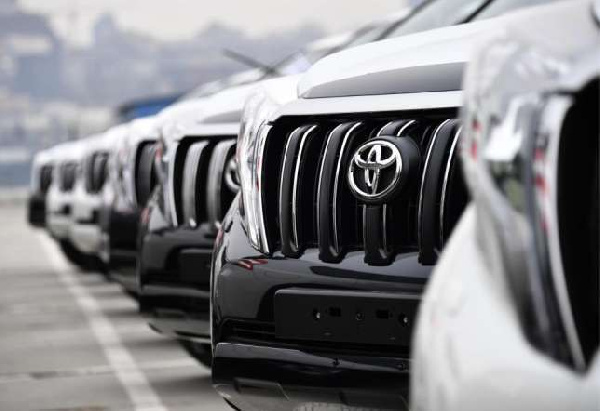
For many departing Members of Parliament in Ghana, one of the most tangible symbols of their time in office is the vehicle they used to criss-cross constituencies, attend committee meetings and respond to constituents’ needs does not return to any government garage.
Unlike ministers or other Article 71 office holders who are assigned official state vehicles, MPs in Ghana do not receive free government cars.
‘Can you compare your CV to mine?’ - Aboagye Gyedu blasts Titus Glover over Akufo-Addo’s appointment
Instead, successive parliaments have relied on a loan-based system. The government, often through the Parliamentary Service and partner banks such as the National Investment Bank, facilitates car loans.
These are typically repaid through monthly salary deductions over the four-year term. Tax and duty waivers have frequently accompanied the arrangements, reducing the upfront cost. MPs then purchase, register, fuel, insure and maintain the vehicles themselves, often employing their own drivers.
As a result, once the loan is cleared, the car belongs to the individual. When an MP leaves Parliament, whether through electoral defeat, resignation or the natural end of a term, the vehicle stays with them. It is personal property, not state asset.
Recent statements from sitting lawmakers have highlighted this reality.
In early 2026, the Member of Parliament for Twifo Atti Mokwa, David Theophilus Dominic Vondee, publicly clarified that the government do not buy cars for Members of Parliament, emphasising that the vehicles are financed by the members themselves and that they bear the ongoing costs of fuel and drivers.
“The understanding of these vehicle things is a whole conversation we’re supposed to have. It is important to realise that government do not buy cars for Members of Parliament. Members of Parliament go for loans to buy their cars. Those loans are taken from our salaries and so we pay for the loans that we go for,” he said.
“Members of Parliament, we do not have that. We buy our own cars. We fuel our own car. We pay our own drivers. So, for me, when we are having a conversation on these things, let’s situate it properly so we do not paint pictures to the Ghanaian people as if they were dancing in luxury,” the lawmaker noted while speaking to the media in Parliament on March 5, 2026.
Cocaine Scandal: Inside the arrests, luxury cars, millions in cash seized and what the 4 suspects said
The picture changes for those who serve as ministers or other political appointees while also holding parliamentary seats. Official government vehicles assigned for ministerial duties are state property.
At the end of an administration, these must be returned. Under the previous government, the long-standing convention that allowed outgoing appointees to purchase one official saloon vehicle at residual value after valuation by the State Transport Company was discontinued.
Directives required all such vehicles to be handed back to the relevant chief directors by fixed deadlines during transitions.
Public debate around the MP vehicle arrangement has been persistent. Concerned citizens have questioned the use of public resources to underwrite loans and waivers for vehicles often perceived as luxurious, especially 4x4s suited to Ghana’s varied road conditions.
Defenders, including government communications officials and some MPs, counter that the cars are essential tools for the job. Representing distant constituencies can involve long weekly journeys between Accra and rural areas; they argue that MPs already absorb significant personal costs serving constituents and that the loan model requires repayment rather than providing free gifts.
In 2021, Parliament approved a substantial loan facility for the then-sitting members while simultaneously recommending that future terms move away from the loan system toward “duty-post vehicles”, state-provided cars that would be returned at the end of service, aligning MPs with other high office holders.
Watch as angry Professor Lumumba walks off stage after governor’s late arrival at conference
That shift has not fully materialised. By 2026, MPs continued to describe the prevailing practice as one of personal ownership through loans.
Speaker of Parliament Alban Bagbin has spoken openly about the broader challenges former MPs face once the “trappings of office” disappear.
He has noted the sharp drop in practical support, including transport and the financial difficulties some encounter after leaving Parliament.
The vehicle, for those who have fully paid off their loans, remains one of the few tangible assets they take with them.
In the end, the fate of an MP’s vehicle in Ghana reflects a hybrid system shaped by history, public pressure, and practical necessity.
Authorities unlawfully arrested nurse over alleged coup plot against president - Lawyer
Source: GhanaWeb (https://www.ghanaweb.com/GhanaHomePage/NewsArchive/Life-After-Parliament-What-happens-to-the-V8s-and-luxury-cars-MPs-drive-2052596)
— Advertisement —
Ad Slot 728×90
Comments (0)
Loading comments...
Related Stories
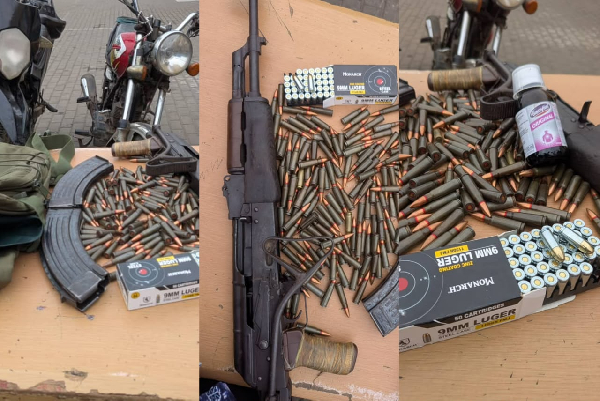
Suspected robber killed at Agbogbloshie in a gun battle with police
Iqra News Desk2026-09-17

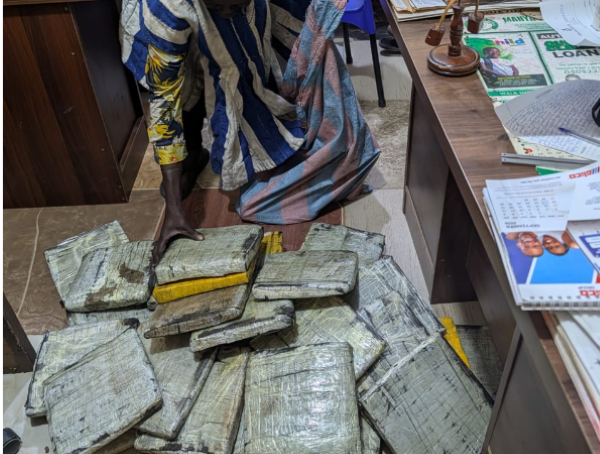
Police arrest suspect with 37 slabs of suspected Indian Hemp at Tema
Iqra News Desk2026-09-15