
Ghana’s tomato supply shortfall could rise to 400,000 tonnes – Agribusiness Chamber
Ghana’s push to achieve tomato self-sufficiency could face a significant production shortfall, with the country’s tomato supply gap potentially approaching
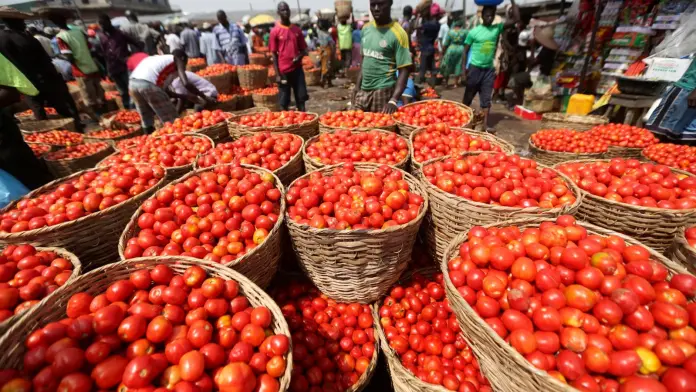
Ghana’s push to achieve tomato self-sufficiency could face a significant production shortfall, with the country’s tomato supply gap potentially approaching 400,000 metric tonnes when post-harvest losses are taken into account.
The Chamber of Agribusiness Ghana says the scale of the deficit raises questions about whether government’s target of producing an additional 100,000 tonnes under the Ghana Tomato Self-Sufficiency Initiative (GHATSI) will be sufficient to close the gap.
Chief Executive Officer of the Chamber of Agribusiness Ghana, Anthony Morrison, told Citi Business News that Ghana’s annual tomato demand is estimated at about 800,000 metric tonnes, against peak domestic production of approximately 510,000 tonnes.
On those figures, the country already faces a supply deficit of about 290,000 tonnes.
But Mr Morrison says the situation becomes more challenging when post-harvest losses, estimated at between 20% and 30%, are factored into the equation.
“That tells you that our peak supply gap is around almost 400,000.”
His comments come shortly after the launch of GHATSI, which seeks to produce 100,000 tonnes of tomatoes from more than 10,000 acres across 35 districts in 10 regions.
While welcoming efforts to increase domestic production, the Chamber says government must provide greater clarity on the assumptions underpinning the 100,000-tonne target.
Mr Morrison wants to know whether the additional output will come from new farmers, expanded production by existing farmers, increased acreage, or improved yields.
“How do we mitigate that with regards to working around bringing on board additional 100,000? Are these additional 100,000 new farmers or already existing farmers?”
He also questioned whether the more than 10,000 acres identified under the initiative represent entirely new farmland or an expansion of acreage already under tomato cultivation.
“If they are already existing farmers, are their current crop size being increased? By what? Who is doing the data analysis?”
For the Chamber, the distinction is critical because simply counting acreage without establishing the expected yield per acre may not provide a reliable measure of the initiative’s potential contribution to national supply.
The Chamber is also raising concerns about the performance of some tomato seeds distributed to farmers under government-supported programmes.
Source: Citi Newsroom
— Advertisement —
Ad Slot 728×90
Comments (0)
Loading comments...
Related Stories

‘How do I run 66 offices with GH¢60k?’ – Rent Control Boss questions Ato Forson
Iqra News Desk2026-09-17
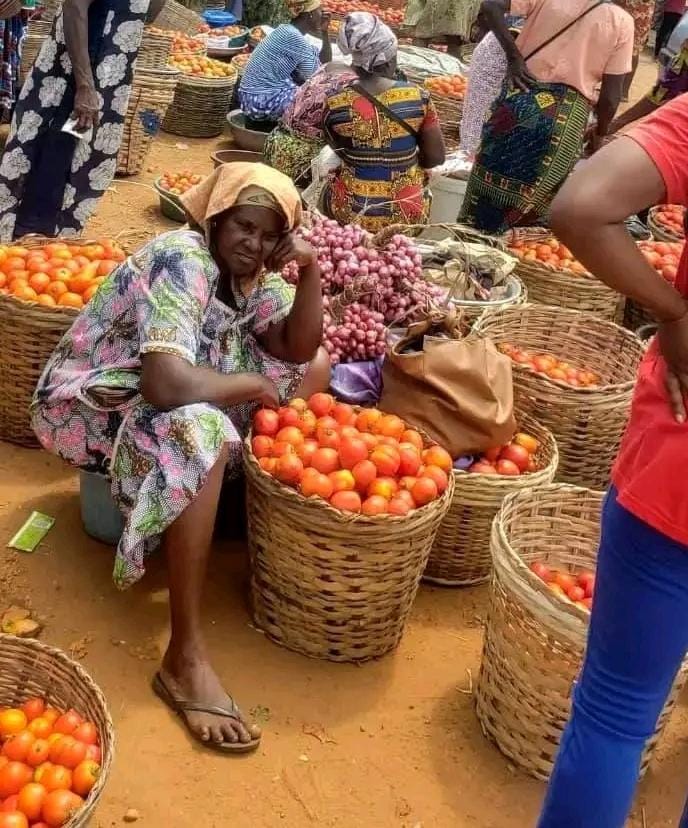
Volta Region: Crate shortage, lack of buyers leave tonnes of Avume tomatoes to rot
Iqra News Desk2026-09-17
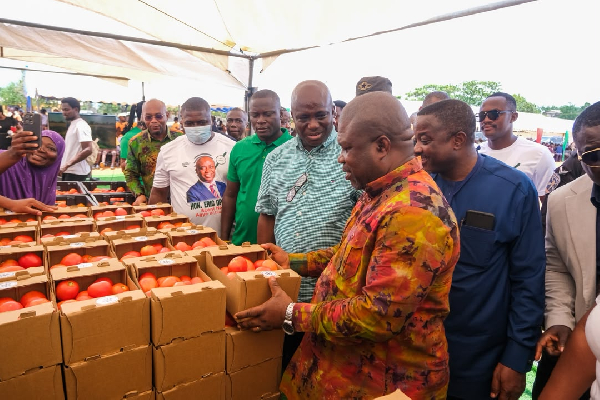
Ghana targets 400,000 tonnes of tomatoes, 600,000 jobs under new self-sufficiency drive
Iqra News Desk2026-09-17